The student pass
An affordable annual pass that opens the partner museums to an individual student all year, so a curious young person can return again and again without counting the cost. Full detail on the student pass page.
This page sets out, in detail, how the Upper Egypt Learning Trust works — the school-visit programme, the student pass, the free teacher resources, the holiday programmes, and how the whole thing is funded and kept affordable. It also sets out, plainly, what the trust does and does not do. Teachers and students deserve the complete picture before they commit time or money, especially when both are scarce. Read it once and you will understand not only what we offer but why each part is shaped the way it is — and whether the trust is the right fit for your class or your child, which matters more than any single feature on a list.
The school visit is the trust's central programme, and we have designed every step around the reality of a teacher's life — too little time, too tight a budget, too many obstacles to taking a class out at all. Every part below exists to remove one of those obstacles so that taking a class to a museum becomes a realistic thing to do rather than a daunting one.
A teacher contacts us with the year group, the subject or curriculum topic, rough dates and numbers. It is free, it commits you to nothing, and it is the start of a conversation rather than a booking funnel. We would rather help a teacher plan than pressure a sale — and if a visit turns out not to suit your lesson at all, we will say so honestly and suggest a better fit rather than book you in regardless just to fill a slot.
We suggest the partner museum and visit plan that best fits the topic and the age group, and we are honest if a particular museum would not serve the lesson well. The aim is a visit that teaches the curriculum point, not just a day out.
We send the free pre-visit resources so the class arrives knowing what they are about to see and why. A prepared class learns far more from a visit than one arriving cold, and the difference is stark.
On the day, a guide experienced with school groups leads the visit at the right level, with in-gallery activities that hold the attention of thirty young people. The teacher is supported throughout, not left to manage alone.
The teacher leaves with follow-up materials to carry the learning back into the classroom, so the visit is a complete lesson rather than an isolated outing that fades within days.
We ask teachers honestly how it went, because the programme improves only if we listen properly. Much of what works well now came directly from a teacher telling us frankly what did not, and we treat that kind of input as gold rather than as criticism.
The school visit is the heart of it, but three further programmes round out what the trust offers, each reaching young learners in a different way. Each links to its own detailed page.
An affordable annual pass that opens the partner museums to an individual student all year, so a curious young person can return again and again without counting the cost. Full detail on the student pass page.
Free curriculum-linked materials — pre-visit lessons, in-gallery activities, follow-up work — available to any teacher, member or not. The resources page explains what is on offer.
During school holidays, structured programmes that bring young people into the museums for discovery and activity rather than idle weeks. See the holiday programmes page.
The single most important thing to understand about how the trust works is the cross-subsidy at its heart. Student-pass subscriptions and modest school-visit fees, together with heritage-education grants and donations, are pooled to keep every part of the offer within reach: school visits priced low, the student pass cheaper than a few separate entries, the teacher resources entirely free, and bursaries that waive the fee altogether for schools that genuinely cannot pay. Those who can contribute a little keep the door open for those who cannot, and no part of the money becomes private profit — the split is published on the about page.
This is why the trust is structured as it is rather than as a commercial operator. A business would price to maximise margin and quietly exclude the schools least able to pay — which are precisely the schools whose students most need the access. A trust can do the opposite: design the whole model around reaching the children who would otherwise never come, and measure its success in young people brought into the museums rather than in revenue. The results of that approach are set out on the learning impact page.
This is also why we are open about the funding mix rather than coy about it. A trust asking schools, students and donors to support its work owes them a clear view of where the money goes, and the published split on the about page shows it plainly: the bulk to keeping access affordable, the rest to running the programmes and the bursaries, none to private profit. Transparency about money is, in our experience, the surest sign of an organisation worth trusting — and the surest protection against the slow drift toward putting revenue before mission that has hollowed out many a body that started with good intentions.

Being honest about our limits is part of being trustworthy with schools and families. Here is what we are not.
We are an independent learning trust, not the museums, not a school, and not a government body. The museums set their own rules and the schools their own curricula; we connect the two and resource the visit.
We do not run tourist tours or sell trips. Our visits are educational programmes for schools and our pass is for learning, not a sightseeing product. The purpose throughout is learning, not leisure travel.
No part of a fee or subscription becomes private profit; it is pooled to keep the offer affordable and to fund bursaries. We are a trust measured by access delivered, not margin earned, as the about page sets out.
Beyond the mechanics, there are the things you can count on whenever you deal with the trust — the standards that make us worth coming back to.
The team is small and based in Qena, so the person who answers your email or call knows the programmes and the schools — usually Sameh for school visits or Nadia for students. No call-centre script, no being passed around a chain.
The price we quote is the whole price, and where a school or student genuinely cannot pay, the bursary covers it quietly. We will never let a few euros stand between a young person and a museum, and we will tell you that plainly.
Everything we run is built to teach, not merely to occupy. A visit comes with preparation and follow-up, a holiday programme has real activity at its core, and the resources are made by teachers. The learning is the point throughout.
No. We began in Qena but now work with schools across Upper Egypt, and the partner network has widened along the valley to match. Tell us where your school is and we will suggest the partner museums that are practical to reach.
Yes. A homeschooling family is welcome to use the student pass for a young learner and the free teacher resources for lessons at home. The student pass is for any young person learning, however they are educated.
We ask you directly — a short, honest conversation after each visit. Much of what works in the programme today came from a teacher telling us what did not, so your feedback genuinely shapes what comes next.
It would be easy to run cheap museum trips that are simply pleasant days out, and many such trips exist. The trust deliberately does not. Our conviction, which shapes every part of the programme, is that a museum visit for a class is worth doing only if it teaches — and that teaching does not happen by accident. A class herded quickly through galleries with no preparation and no follow-up enjoys itself and forgets it by the weekend. A class that arrived knowing what it would see, that did something active in the galleries, and that worked with the experience back in the classroom comes away with knowledge that lasts and, often, a spark of real curiosity. The difference is entirely in the structure around the visit, which costs almost nothing to provide and transforms what the visit is worth.
This is why our school visits come wrapped in free resources rather than sold as bare entry, why the guides are chosen for their skill with young learners rather than their cheapness, and why we ask teachers honestly afterwards what worked. We are an education trust, and a visit that does not educate is, to us, a failure however enjoyable it was. That standard is also what the learning impact page measures us against — not how many children we counted, but whether the visits actually taught.
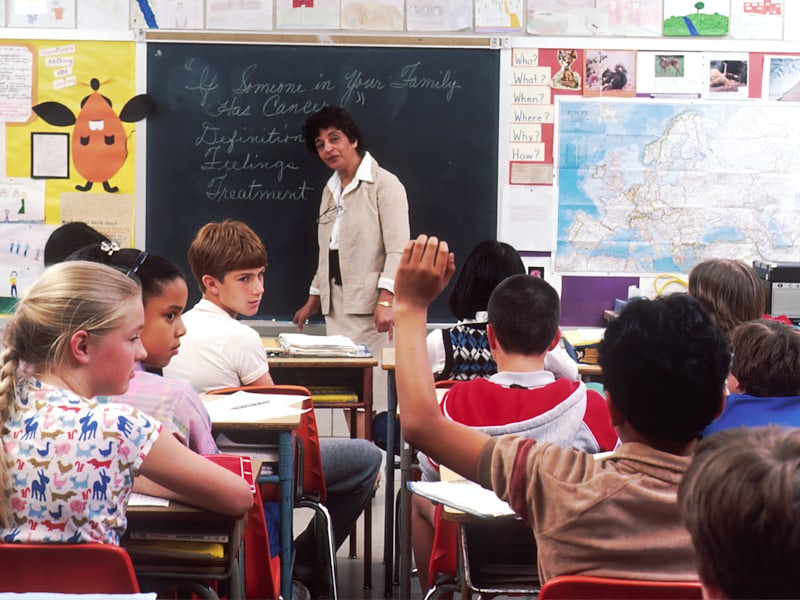
The student pass runs a little differently from a school booking, so here is how it works for an individual young person or their family.
A student — or a parent, where the student is a minor — joins through the secure form on the prices page. The form is submitted by the post method, so nothing sensitive appears in a web address, and the low annual price is the whole cost.
The pass is issued straight away, ready to use, and valid for a full year from the day of joining rather than to a fixed calendar date — so a student gets a complete year whenever they start.
The student shows the pass at any partner museum and walks in, as often as they like, and joins the holiday programmes and student events through the year. The whole network is open to them.
As the year ends we invite the student to renew — no silent auto-charge. They decide; if they continue, access carries on; if not, there is nothing to cancel. The choice is theirs, with full notice.
Enquire for a school, get a student pass, or use the free resources.
Enquire for a school See prices