Upper Egypt Learning Trust Museum learning · Qena
About the trust

A trust that believes every local child should know these museums.

The Upper Egypt Learning Trust is a museum-learning trust based in Qena, founded in 2018. We are not a school, not a museum, and not a government body — we are the independent organisation that connects the region's young people with its museums, affordably and with a real learning purpose. This page explains who we are, how the trust began, who runs it, how our funding keeps school visits cheap, the student pass low and the teacher resources free, and why being a trust rather than a business shapes every choice we make. A young person who never enters a museum is poorer for it, and closing that gap is the only reason the trust exists.
How it began

A gap too obvious to ignore.

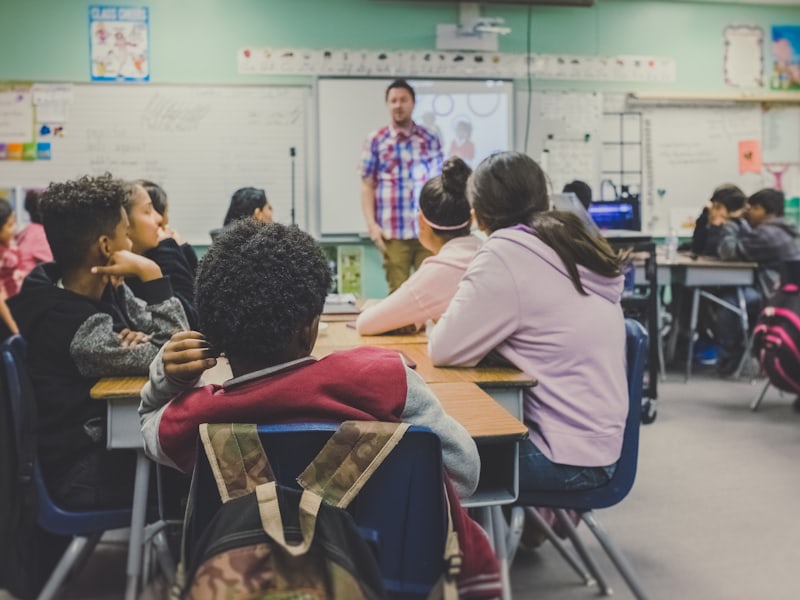
Anyone who has spent time in Qena and the wider Upper Egypt knows the strange contradiction the trust was founded to address. The region holds some of the most significant museums and ancient sites in the world, and yet the local children who grow up beside them frequently never go inside. School budgets are tight, organising a class trip is daunting, transport is awkward, and entry fees — small as they are — add up across thirty students. The result is generations of young people who know their region's monuments only from the outside, while the museums quietly wish for the local audiences they so rarely see.

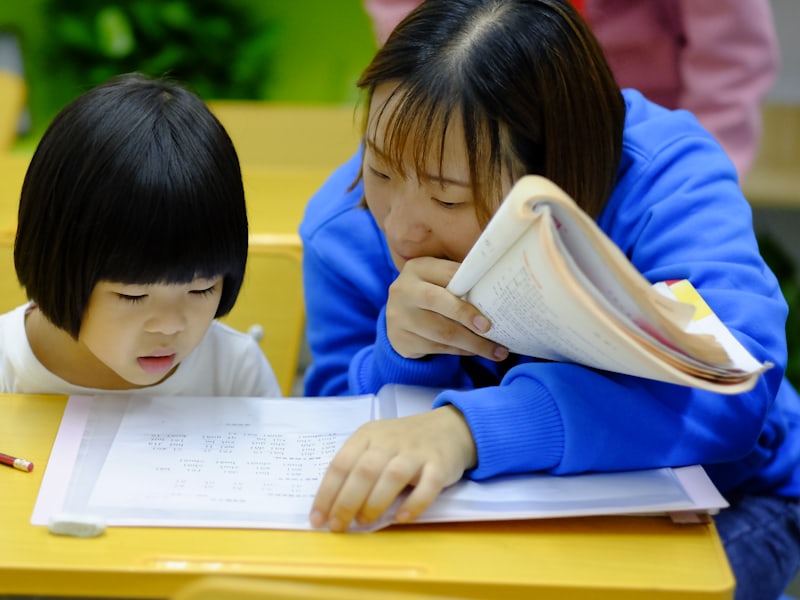
In 2018 a small group of teachers, a retired museum curator and a couple of people who simply cared decided to do something practical about it. They set up the trust to remove the barriers one by one: to make a class visit cheap and easy to book, to give students their own affordable way in, and to provide teachers the materials that turn a visit into genuine learning. It began with a handful of schools in Qena and two partner museums; it now works across Upper Egypt with a network of partner museums and reaches thousands of students a year. The mission has never changed, and neither has the conviction behind it: that the children who live among these museums have as much right to know them as any visitor who flies in to see them.

Students examining an exhibit with a guide
The people

A small team, accountable to trustees.

The trust is run by a small staff, overseen by a board of trustees drawn from education and heritage. You deal with the staff directly — they are few, and they know the schools and students they serve by name. That smallness is deliberate: a trust that grows a thick layer of administration between itself and the classrooms it serves loses touch with why it exists, so we have kept the team lean enough that the person who answers a teacher's email is the person who can actually arrange the visit. The trustees above them, drawn from teaching and from the museums, hold the staff to the mission and review the accounts, but the day-to-day is handled by people who know the work from the inside.

Fadia Girgis

Director

Fadia, a former secondary-school head, has led the trust since 2019. She holds the partnerships with the museums and the schools together and answers to the trustees. Her conviction that a museum visit must teach, not merely entertain, shapes every programme the trust runs.

Sameh Bishay

School programmes

Sameh designs and runs the school-visit programme — the curriculum links, the visit plans, the in-gallery activities. A teacher by background, he knows what makes thirty students learn rather than fidget, and the school resources are largely his work.

Nadia Tawadros

Student access

Nadia looks after the student pass and the individual young people who hold it — joining, questions, the holiday programmes. She is the reason the student side feels personal rather than administrative, and the voice students reach when they write.

Ramy Aziz

Museum partnerships

Ramy manages the agreements with the partner museums — what a visit covers, how the modest fees support the museums, and how new museums join the network. He is the reason the partner list keeps growing and the coverage stays accurate.

How we are funded

Where the money comes from, and goes.

As a trust that asks schools and students to trust us with their limited money, we owe a clear account of our funding. No part of it becomes private profit, and we publish the split below not because we must but because the people who fund our work — through fees, subscriptions, grants and donations — deserve to see exactly how it is used. Openness about money is, we believe, the truest test of whether an organisation deserves the trust its name claims.

SourceShareWhat it supports
Student-pass subscriptions38%Keeps school visits cheap and the resources free
Heritage-education grants34%The teacher resources and the holiday programmes
School-visit fees16%The guides and the running of the visits
Donations12%Bursaries so the poorest schools pay nothing

The cross-subsidy is deliberate: those who can pay a little keep the door open for those who cannot. School-visit fees are kept low and, through the donation-funded bursaries, waived entirely for schools that genuinely cannot afford them — no class is turned away over money. The trustees review the accounts each year, and the priorities are set around the mission, not around a margin. This is what being a trust rather than a business means in practice, and it is described further in the learning impact page.

Why Upper Egypt

Where the need is greatest.

The trust is based in Qena and works across Upper Egypt by deliberate choice, not by accident. The south of the country holds an extraordinary density of museums and ancient sites, and yet its schools have historically had the least access to the kind of structured cultural-learning programmes that schools nearer the capital take for granted. The gap between the heritage on the doorstep and the children able to engage with it is wider here than almost anywhere — and that gap is exactly what the trust exists to close. Working from within the region, rather than running it from a Cairo office, keeps us close to the schools we serve and honest about what they actually need.

It also means we understand the real obstacles. We know which schools have no transport budget, which villages are far from any museum, which families cannot spare even a small fee. A trust run from a distance would design around averages; we design around the specific, local realities of Upper Egyptian schools, which is why the bursaries, the low fees and the practical museum-matching matter so much. The children we most want to reach are precisely the ones a less rooted programme would quietly miss.

A school group from Upper Egypt arriving at a museum
The years so far

How the trust grew.

From two museums and a handful of Qena schools to a network across Upper Egypt reaching thousands of students — the growth was steady and always driven by the mission rather than by ambition for its own sake.

2018 · the founding

Teachers, a retired curator and a few committed locals set up the trust in Qena with two partner museums and a simple aim: get local children inside the museums they live beside but never enter.

2019–2020 · the resources

Fadia takes over as director and Sameh builds the free teacher resources, turning the school visit from a day out into a proper lesson. Word spreads among teachers, and bookings climb.

2021–2023 · the student pass

The student pass is launched so that individual young people, not only school groups, can keep coming back. The network widens along the valley as Ramy builds the partnerships, and the holiday programmes begin.

2024–2026 · reaching further

Bursaries, funded by donations, let the poorest schools take part at no cost, and the trust now reaches thousands of students a year across Upper Egypt — still small, still focused entirely on the mission.

Help us bring a generation into these museums.

Bring your class, get a student pass, or simply use the free resources.

Get in touch See our impact